Description
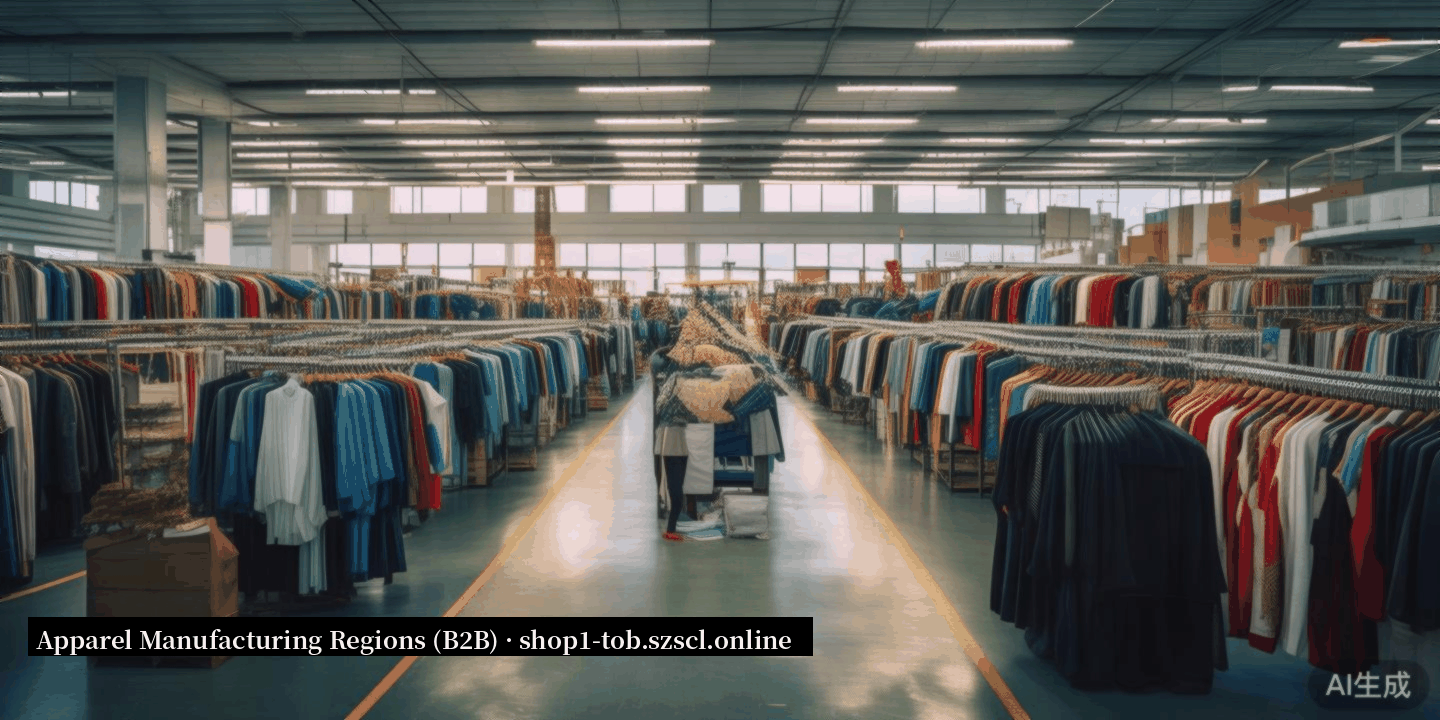
Wholesale sourcing guide: garment and fashion wholesale in Dongguan — Dongguan is one of the best cities in Guangdong for B2B garment and fashion sourcing, because it combines first-tier wholesale markets in Humen, a world-class knitwear cluster in Dalang, and thousands of OEM/ODM factories that can produce at low MOQs with 15–30 day lead times. If you are buying apparel for a brand, retail chain, or e-commerce business, this guide tells you where to go, what to expect, and how to avoid the common traps that cost overseas buyers time and margin.
Why Dongguan Beats Most Sourcing Destinations
Dongguan is often called "the world's factory," and its apparel ecosystem is a major reason why. The city's manufacturing base spans clothing, electronics and molds in Chang'an, and furniture in Houjie and Dalingshan, while Huawei's Songshan Lake campus anchors a modern R&D corridor that keeps logistics, design services, and supplier networks highly developed. For garment buyers specifically, two clusters matter most:
- Humen (虎门) — Known as China's famous garment town, Humen is home to Fumin Fashion City (富民时装城), a first-tier wholesale market specializing in women's fashion and children's wear, and a major supply base for e-commerce sellers across China.
- Dalang (大朗) — China's knitwear capital, with an unmatched concentration of sweater and knit factories, yarn suppliers, and computerized knitting capability.
The practical advantage for overseas buyers is vertical proximity: wholesale markets sit within driving distance of the factories that supply them. That means what you see in a market stall is usually producible directly — often at a significantly lower unit cost if you order from the source factory instead of reselling through market middlemen.
Market Sourcing vs. Direct Factory Sourcing
Many first-time buyers start at Fumin Fashion City because it is fast: you can walk through hundreds of stalls, see current-season styles, and place mixed orders with low quantities. This works well for testing the market or filling a small order. However, market purchases typically carry trading-company markups, limited customization, and inconsistent quality control between orders.
Direct factory sourcing — OEM/ODM — is the better long-term model for brands. Typical terms from a capable Dongguan factory start at 100 pcs per style/color, with lead times of 15–30 days after sample approval. In one recent project, we helped a European streetwear brand move from a trading company to a direct Humen factory, cutting unit cost by 18% while improving communication and QC visibility. The trade-off is that direct sourcing requires sample development, tech packs, and inspection processes you must manage — which is exactly where an experienced on-the-ground partner adds value.
Use this comparison to decide where your business fits:
| Factor | Market Sourcing (Fumin, Humen) | Direct Factory (OEM/ODM) |
|---|---|---|
| Typical MOQ | Very low, mixed lots | ~100 pcs per style/color |
| Lead time | Immediate stock | 15–30 days after sample approval |
| Unit cost | Highest (markup layers) | Lowest (factory-direct) |
| Customization | Limited to stock designs | Full OEM/ODM: fabric, trim, fit, labels |
| Quality control | Inconsistent | Controllable via QC inspection |
| Best for | Market testing, small orders | Brand building, repeat production |
How to Source in Dongguan: A Practical Workflow
Follow these steps to reduce risk and speed up results:
- Define your product brief. Prepare a tech pack with measurements, fabric specs, trims, and reference images. If you source fabric trims, Guangzhou's Zhongda fabric market — accessible from Dongguan — is the region's largest supply hub, and a local partner can source from it efficiently.
- Shortlist suppliers in the right cluster. Women's fashion and kidswear point to Humen; knitwear and sweaters point to Dalang. Match the cluster to your category instead of shopping randomly.
- Order samples and review them critically. Budget for one or two sample rounds. Inspect stitching, measurements against the tech pack, and fabric hand-feel before approving.
- Agree on terms in writing. Confirm MOQ (typically 100 pcs/style/color), price, payment terms, and delivery window (15–30 days post-approval).
- Run pre-shipment QC. A third-party or on-the-ground inspection before shipping catches defects while they are still fixable, and coordinates export documentation and freight.
Common mistakes to avoid: paying large deposits to unverified stalls, skipping sample approval, and assuming market vendors are factories. Verifying a supplier's production capability on-site in Dongguan is the single highest-ROI step in the entire process.
FAQ: Do I need to visit Dongguan in person?
No. A local sourcing partner can visit Fumin Fashion City and factories on your behalf, live-video markets, send samples, and run QC — though an in-person trip accelerates relationship-building.
FAQ: What is the realistic minimum order quantity?
For custom OEM/ODM production, expect around 100 pcs per style/color. Market sourcing allows smaller mixed lots but with higher unit prices and no customization.
FAQ: How long does the first order take?
Allow roughly one to two weeks for sampling, then 15–30 days for bulk production after sample approval, plus shipping time to your destination port.
Whether you are testing styles at Fumin Fashion City or building a private-label line with a Humen factory, the right local support turns Dongguan's manufacturing power into your competitive advantage — contact us via WhatsApp or the form on our site to start your sourcing project today.
Related reading
- How to Find Low-MOQ Clothing Factories in Dongguan: A B2B Buyer's Guide
- Wholesale Sourcing Guide: Electronics and Mold Manufacturing in Dongguan
- Dongguan Clothing Factory Audit Checklist for Buyers: 12 Checks Before You Sign
Wholesale picks
- 260gsm Long-Staple Garment-Dye Oversized T-Shirt — Premium Essentials Blank for Fashion Labels
- Seamless Light-Support Lounge Bra — Rib-Knit Comfort Top for Loungewear Brands

Comments